
How to Manage Your Commercial Kitchen Equipment Supply Chain
A simple guide for restaurants, hotels, catering companies, and equipment distributors to improve sourcing efficiency, control quality, and reduce purchasing risks.
Choosing a Reliable Supplier
Choosing the right supplier is the first step in building a stable commercial kitchen equipment supply chain. For B2B buyers, price is important, but product quality, communication, delivery ability, and long-term support are equally important.
A reliable supplier should not only provide products, but also help customers confirm specifications, follow production progress, check quality, and arrange export details.
Cateron’s Support:
- Wide range of commercial kitchen equipment
- Qualified factory resources
- Efficient communication and order follow-up
- Support for mixed product sourcing
Working with a reliable supplier helps customers save time, reduce risks, and simplify purchasing from China.
Product Sourcing and Selection
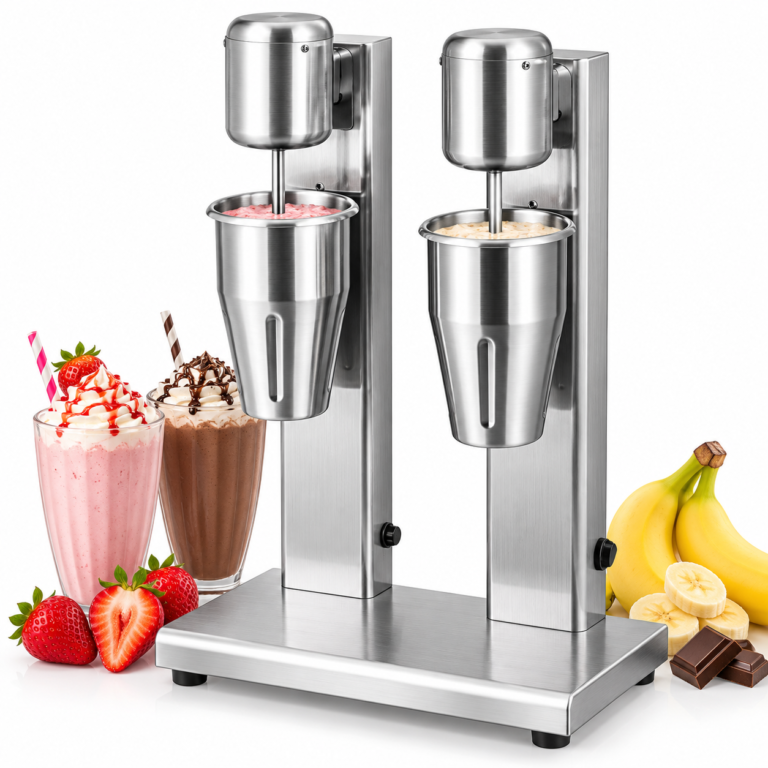
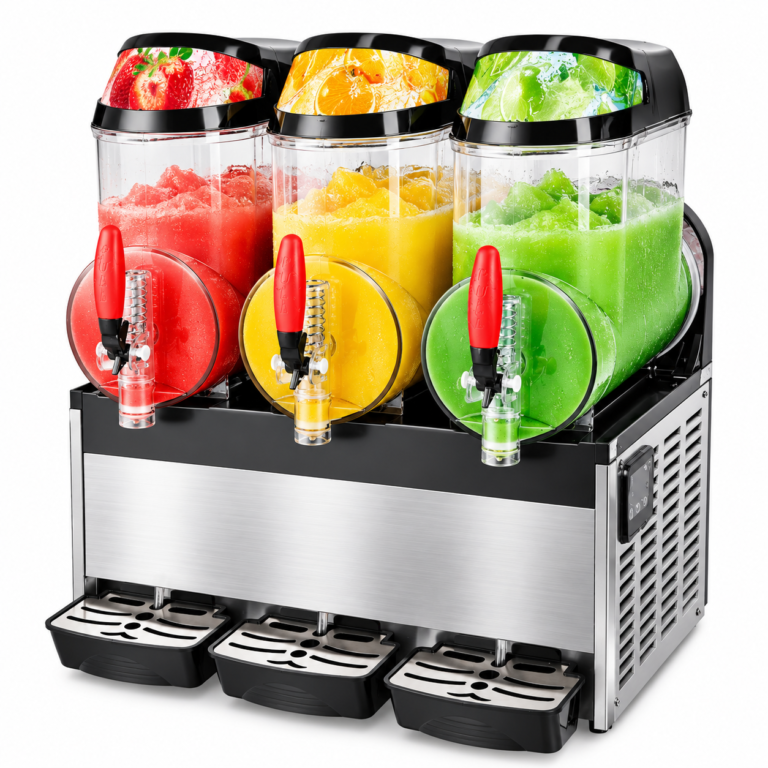
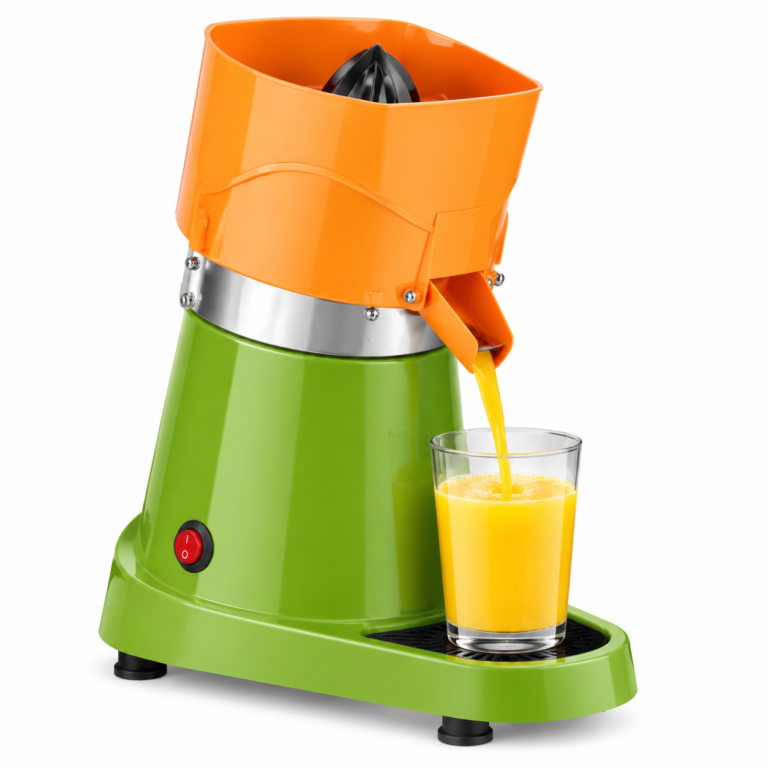
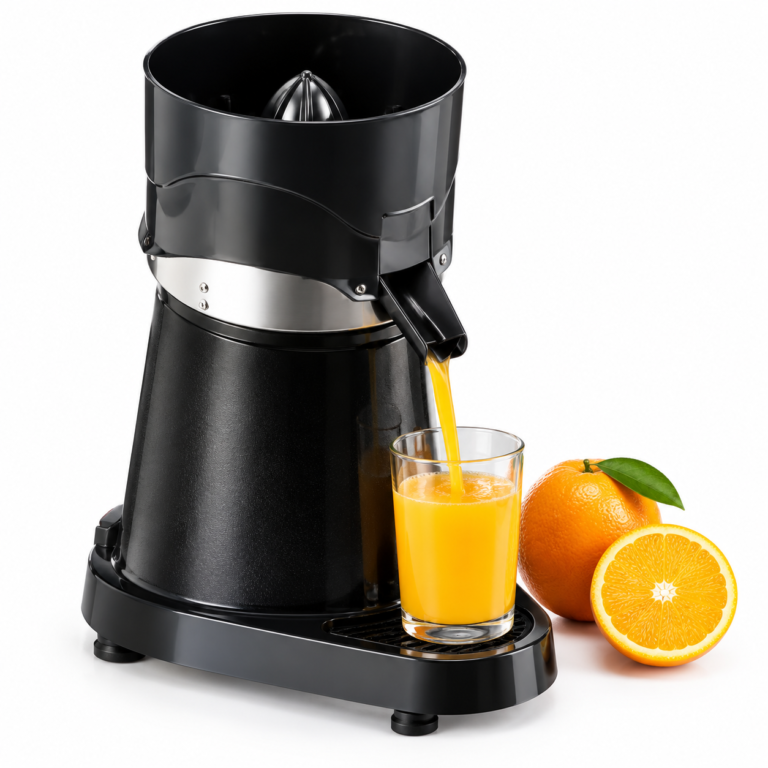
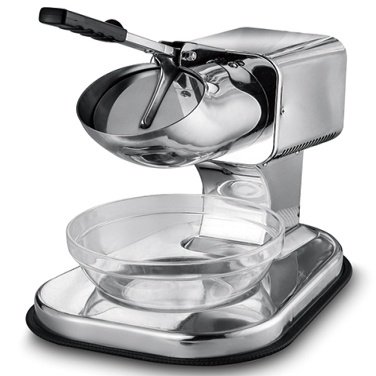
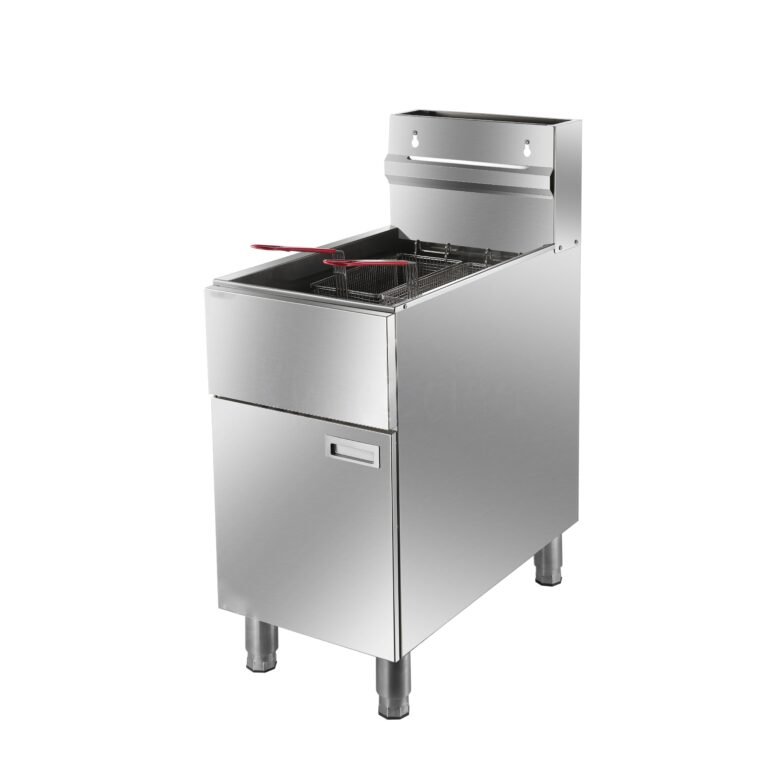
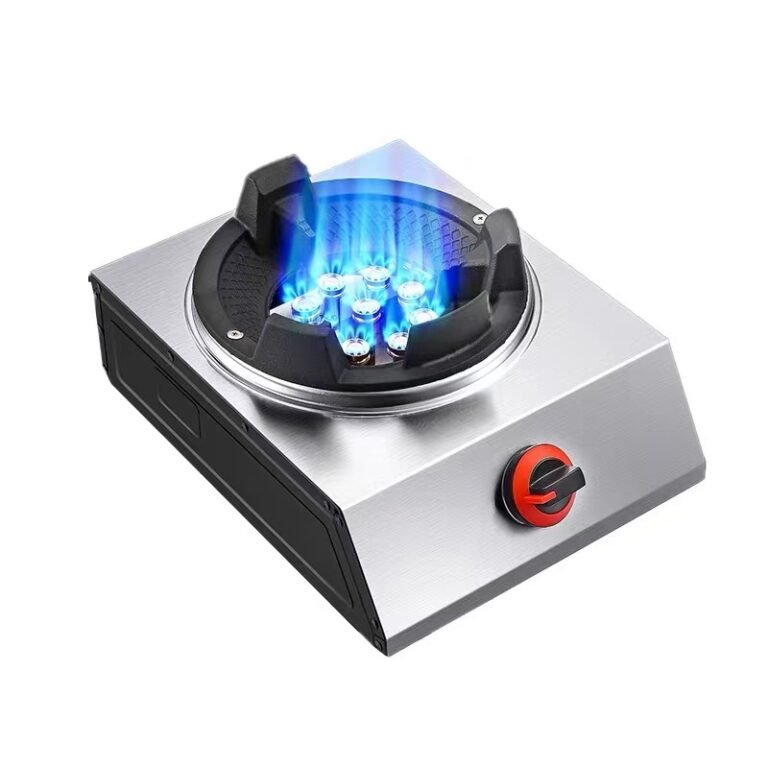
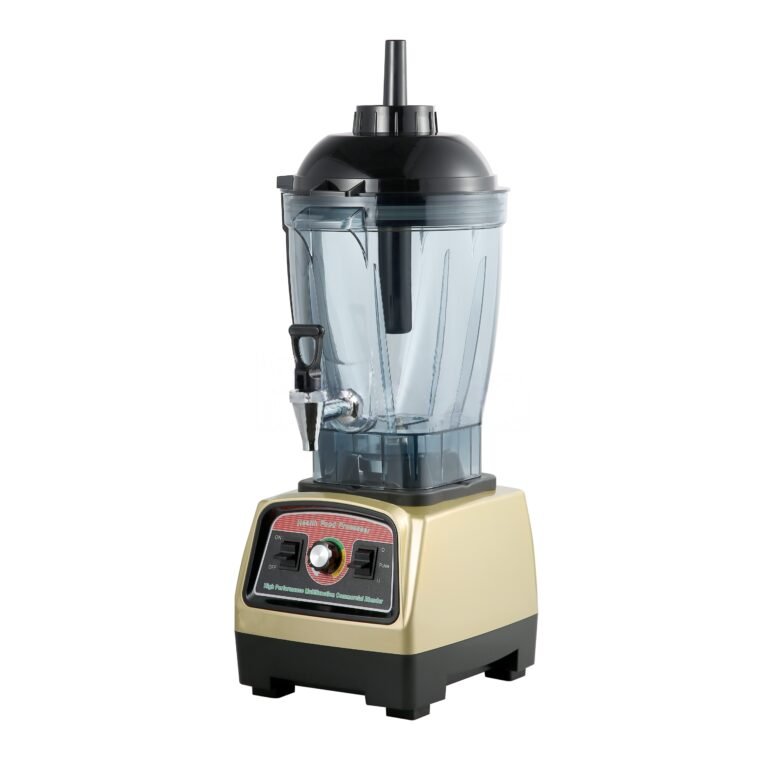
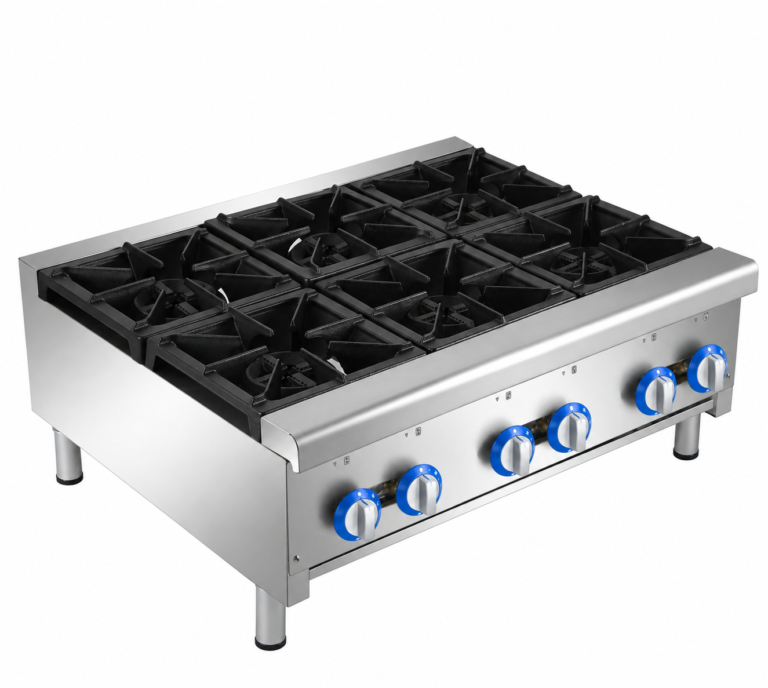
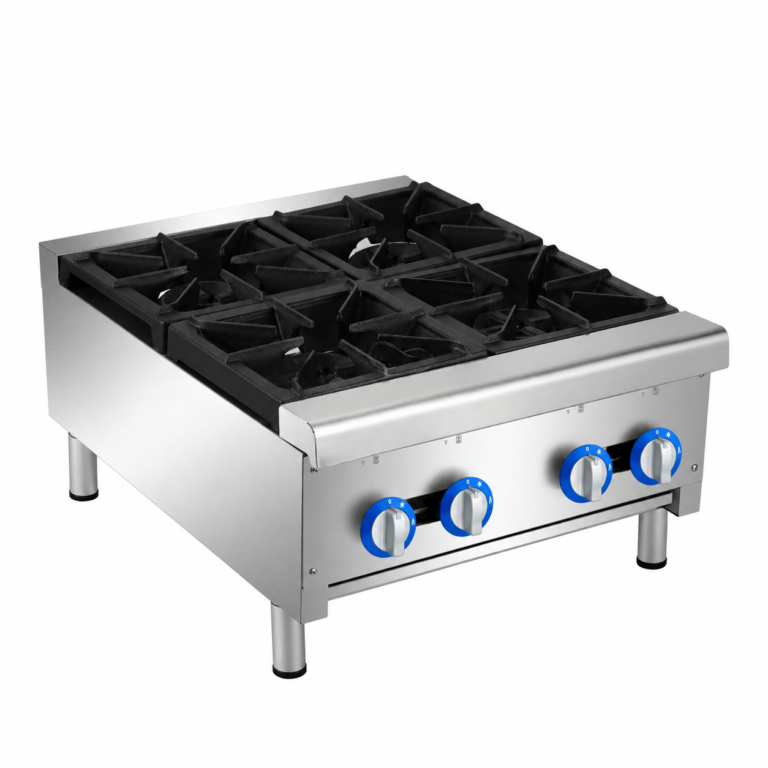
Commercial kitchen projects usually require different types of equipment, such as cooking equipment, refrigeration equipment, baking equipment, food preparation machines, and fast food equipment.
Choosing the right products depends on the customer’s menu, kitchen size, daily capacity, voltage requirements, and local market standards.
Key Points:
- Confirm product application and capacity
- Check material, structure, and durability
- Match voltage, plug, label, and manual requirements
- Choose suitable models for the target market
Cateron’s Support:
We help customers source suitable products, compare options, confirm specifications, and coordinate with different factories when needed.
Customization and OEM/ODM Support
Different markets may require different product designs, branding, packaging, or technical specifications. OEM and ODM support can help customers build their own product line and improve market competitiveness.
Common Customization Options:
- Logo and brand label
- Voltage and plug
- Product size or structure
- Packaging and shipping mark
- Instruction manual and barcode
- Spare parts support
With flexible customization, customers can better meet their market needs and brand requirements.
Quality Control Before Shipment
Quality control is an important part of the commercial kitchen equipment supply chain. Since commercial kitchen equipment is used frequently, stable performance and durable structure are essential.
Before shipment, each order should be checked carefully to reduce after-sales problems.
Inspection Focus:
- Product appearance
- Function testing
- Voltage and plug confirmation
- Accessories and spare parts
- Packaging and shipping marks
- Model and quantity checking
Cateron follows production progress and supports final inspection to help ensure stable product quality before delivery.
Cargo Consolidation and Delivery Support
Many customers purchase mixed products from different factories. Without proper coordination, it may lead to higher shipping costs and complicated communication.
Cargo consolidation helps collect products from different suppliers and combine them into one shipment when possible.
Benefits:
- Lower shipping cost
- Better container space usage
- Easier order management
- Fewer communication steps
- More efficient export process
Cateron supports supplier coordination, cargo collection, packing follow-up, container loading, and export document preparation.
Conclusion
Managing a commercial kitchen equipment supply chain is not only about finding products at a good price. Customers also need reliable sourcing, quality control, customization support, production follow-up, and delivery coordination.
Cateron provides one-stop commercial kitchen equipment solutions for restaurants, hotels, catering businesses, distributors, and foodservice projects worldwide.
Contact us to discuss your equipment needs and sourcing plan.